Creating keepsake art with your little ones is a milestone, but choosing the best paint for handprints and footprints can be the difference between a clear masterpiece and a blurry, stained mess. Whether you are capturing a newborn’s first tiny toes or making toddler handprint crafts, safety and “washability” are the top priorities.
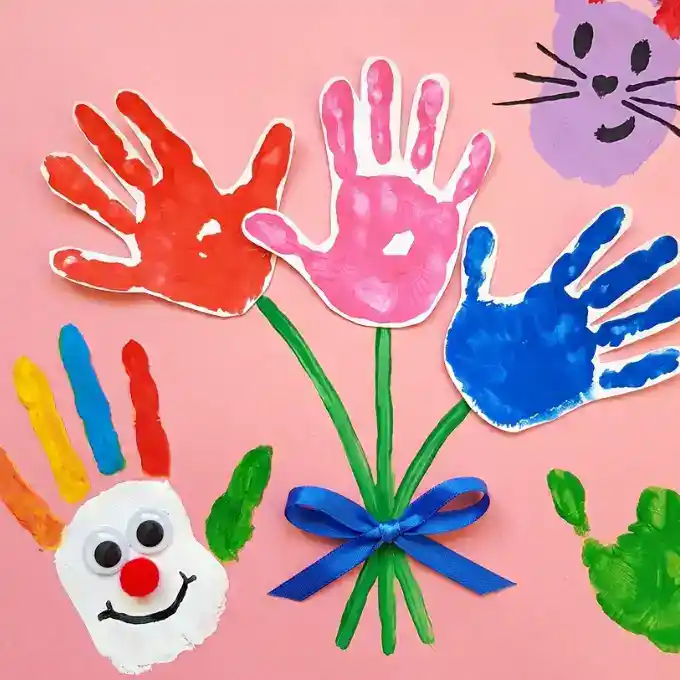
In this guide, we break down the top-rated paints for paper, canvas, and fabric so you can create stress-free memories.
Quick Summary: The Best Paints at a Glance
| Use Case | Recommended Paint Type | Key Benefit |
| Newborn Keepsakes | Non-toxic Ink Pads or Washable Tempera | Easiest cleanup for delicate skin |
| Canvas Art & Gifts | Acrylic Paint (with caution) | Vibrant colors, permanent finish |
| T-Shirts & Fabric | Fabric Paint or Acrylic + Medium | Won’t wash out in the laundry |
| Toddler Crafts | Washable Kids’ Paint | 100% safe for “accidental” finger painting |
1. Best Paint for Newborn Handprints and Footprints
When working with infants, you need a formula that is non-toxic for baby’s handprints and wipes off instantly.
- Washable Tempera Paint: This is the gold standard for paper. It’s creamy, opaque, and designed to come off skin with a single baby wipe. Crayola Washable paints are my top pick (and they are certified safe).
- Mess-Free Ink Pads: If you want zero liquid mess, look for “clean-touch” ink pads where the baby’s skin never actually touches the ink. Pearhead is a wonderful brand for these.
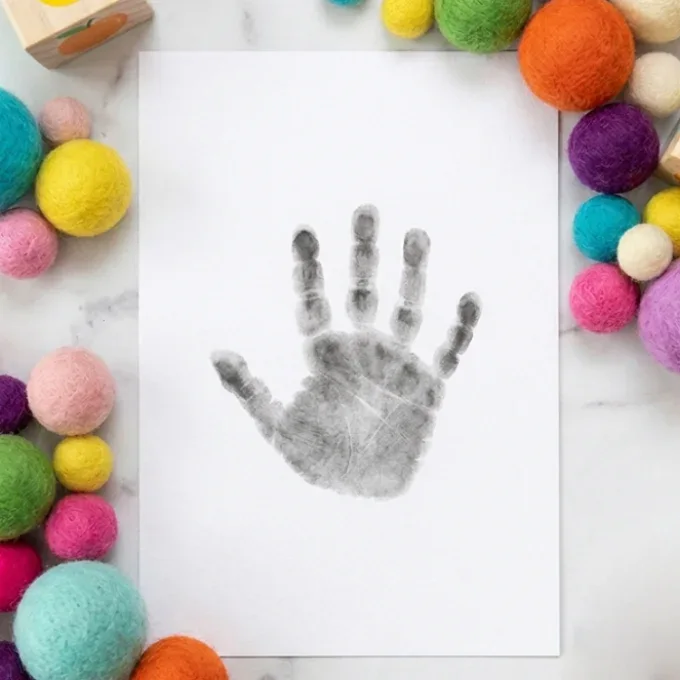
PRO Tip: When searching for safe paint for newborn handprints, always ensure the label carries the ASTM D-4236 (common in North America) or EN 71 (the standard for toy safety in Europe). certification, confirming it has been evaluated by a toxicologist.
2. Using Acrylic Paint for Handprints (Canvas & Wood)
Many parents ask: Can I use acrylic paint for finger painting? The answer is yes, but with a catch. Acrylic paint for handprints is ideal for canvas because it doesn’t crack or fade over time.
In my experience, you don’t necessarily need a “premium” brand for this; most standard craft acrylics work well enough. The key is the consistency:
- The “Liquid” Factor: Some brands are fluid enough right out of the jar, while others are thick and heavy.
- The Pro-Tip: If your paint is too thick, dilute it with a tiny amount of water before applying. This ensures the paint gets into the tiny creases of the hand or foot for a detailed print rather than a blurry blob.
- Cleanup: Remember that acrylic is permanent once dry. Keep the hand damp and wash it immediately with soap and water to avoid scrubbing later.
3. Best Paint for Footprints on Fabric and Keepsakes
If you’re making a Mother’s Day tote bag or a custom t-shirt, you’ll need paint that won’t disappear in the wash. While most non-toxic, water-based fabric paints are suitable for kids’ handprints, they require a specific approach to stay safe and clean.
Safety & Usage
Fabric paint is designed for cloth, not as a permanent body paint or skin makeup. It is not recommended for prolonged skin contact or face painting. When working with fabric:
- Check the Label: Ensure the bottle is marked “non-toxic” and specifically mentions ASTM D-4236 compliance.
- Monitor Young Children: If using on young babies, ensure they do not put their hands in their mouths during the process.
- Immediate Cleanup: Wash paint off hands immediately with soap and water to prevent the paint from staining or peeling on the skin.
Tips for a Perfect Fabric Print
- The Sponge Brush Method: Do not dip the hand directly into the paint. Instead, use a sponge brush to apply a thin, even layer. This prevents “gloppy” prints and minimizes skin contact.
- Consistency is Key: If the paint feels too tacky, consider watering it down slightly to help it spread evenly across the palm or sole of the foot.
- The Setup: Use a disposable paper plate for your paint palette and keep a pile of wet wipes or a damp washcloth within arm’s reach for instant cleanup.
- The Mess-Free Alternative: If you’re nervous about liquid paint on fabric, non-toxic ink pads designed for textiles are a fantastic, less messy alternative.
Keeping it Safe: What to Look for on the Label
When you’re browsing the craft aisle, it’s easy to get overwhelmed by the options. Since these paints are going directly onto your little one’s skin, I always look for a few non-negotiables before I start a project. Checking the label for these certifications is the best way to ensure the materials are safe for young crafters:
- Look for the “AP” Seal: The Approved Product (AP) seal is internationally recognized. It confirms the product has been evaluated by a qualified toxicologist and contains no materials in sufficient quantities to be toxic or harmful to humans.
- Safety Standard Compliance: You’ll often see codes like ASTM D-4236 (common in North America) or EN 71 (the standard for toy safety in Europe). These certifications mean the paint has been rigorously tested to ensure it’s safe for children to use.
- Prioritize “Washable” & “Water-Based” Formulas: Trust me, you want a paint that dissolves easily with simple soap and water. “Washable” isn’t just about the skin—it’s about saving your rug, your dining room chairs, or your floors when a toddler inevitably makes a break for it mid-project.
The Secret to the “Perfect Print”: A Step-by-Step Guide
If you’ve ever tried to get a clean print from a wiggly infant or a busy toddler, you know it can quickly turn into a blurry smudge. Here is my tried-and-true method for a crisp result:
- Tape it Down: Secure your paper or canvas to the table with masking tape. This prevents the paper from sticking to the child’s hand and lifting up when you pull away.
- Prep the Paint: Use a sponge brush to apply a thin, even layer. If you’re using acrylic paint, add a tiny drop of water to your palette first. This keeps the paint moist for those extra few seconds it takes to position a tiny hand.
- The “Press and Roll”: Don’t just slap the hand down. Press the palm firmly, then use your other hand to gently press each individual finger and the thumb.
- Lift Straight Up: Avoid sliding the hand. Lift it vertically and immediately pass the child to a “clean-up assistant” or reach for your supplies.
- The Cleanup Station: Have a tub of warm soapy water or heavy-duty baby wipes within arm’s reach before you even open the paint.
Frequently Asked Questions (FAQ)
What is the best paint for infant handprints and footprints?
For infants, washable tempera paint or specialty “clean-touch” ink pads are the top choices. Tempera is creamy and shows great detail, while mess-free ink pads are the easiest for parents who want to avoid liquid paint on a wiggly newborn.
Is acrylic paint safe for baby handprints?
Most craft acrylics are labeled non-toxic, but they are not “washable” in the way kids’ paints are. They dry quickly and can be difficult to remove from skin if they set. If you use acrylics for a canvas project, wash the hand immediately while the paint is still wet to avoid irritation or staining.
How do I get a clear handprint without smudging?
The secret is using a sponge brush to apply a thin layer rather than dipping the hand into a plate of paint. Excess paint causes the hand to slide, creating a blurry blob. Also, try to “press and roll” the fingers individually rather than just pushing the palm down.
Will fabric paint come off my child’s skin?
Yes, as long as it is a water-based fabric paint and you wash it off with soap and warm water immediately after printing. Do not let fabric paint dry on the skin, as it is designed to be permanent and can become difficult to peel off.
What is the difference between “Washable” and “Non-Toxic” paint?
“Non-toxic” means the ingredients won’t harm your child if they touch it (or accidentally taste a tiny bit), while “Washable” means the pigment is formulated to lift out of fabric and off skin easily. For handprint art, you want a paint that is both.
Note: Remember to always test a small patch of paint on your child’s skin first to check for any sensitivities!
Want instant access to all of our printable crafts, activities, and resources?

With thousands of crafts, activities, worksheets, coloring pages, and drawing tutorials to print, you will always have just the resource you need at your disposal. Perfect for parents and teachers alike!